Apple’s foldable is almost here — can it reboot the market?
Next week’s expected reveal could be the moment foldables stop being a niche hobby and start feeling inevitable. Or it could be a very expensive hinge with a halo.
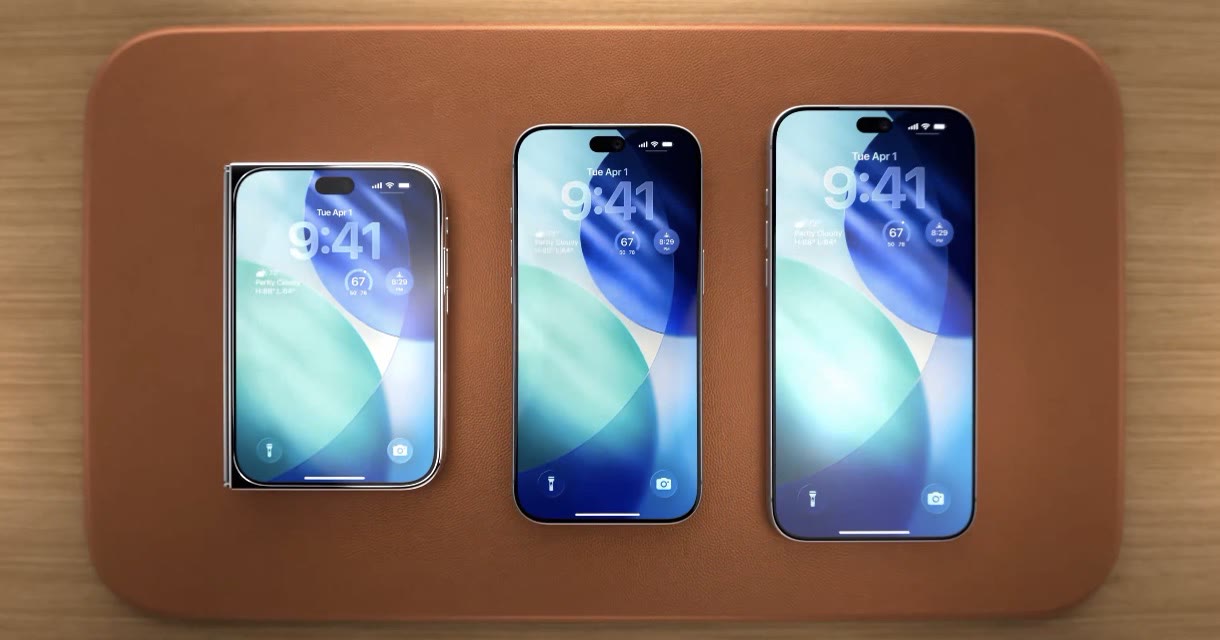
Unofficial iPhone Fold concept art — not an Apple photo photo. Photo: Unsplash
If the rumor mill is even half right, Apple is about to walk onstage next week and do the thing every Android foldable maker has been waiting — and quietly dreading — for years: legitimize the form factor with a product that doesn’t need a keynote apology. Industry anticipation is loud. Spec sheets are still fog. That gap is the story. Cupertino doesn’t have to invent the hinge; it has to make folding feel like something you buy without explaining yourself at dinner.
Why Apple entering actually matters
Samsung, Google, Honor, and a rotating cast of Chinese brands already proved you can ship a phone that opens into a tablet. They did not prove most people want one. Foldable volume stayed a rounding error while slabs kept winning on battery, repairability, and the simple fact that a good rectangle still finishes your day. Apple’s entry changes the psychology more than the physics. Carriers get a reason to push demos. Developers get a reason to care about two screens without treating them as a Samsung-only side quest. Buyers who sat out every Galaxy Fold "generation" suddenly have permission to look again.
That’s the reboot thesis in one line: Apple doesn’t need to be first. It needs to be the brand that makes the category feel finished. The iPhone's power has always been less about inventing every feature and more about deciding which ones become normal. A foldable that lands inside that ecosystem — Continuity, App Store gravity, the status of owning the newest iPhone shape — could pull demand the Android camp spent a decade chasing with thinner hinges and louder launch events.
Android foldables hit a wall called fatigue
We’ve covered this beat before: crease awareness, case taxes, repair horror stories, and midrange foldables that almost clear the bar but still lose weekends to battery math. The hardware got better. The narrative got tired. Every year another "thinnest ever" claim, every year the same buyer question — do I need this? — with a shrug for an answer. Fatigue isn’t anti-innovation; it's the market asking for boring reliability instead of another demo that looks great under stage lights.
Apple doesn’t erase that history. It inherits it. If next week’s device arrives with the same compromises dressed in aluminum and marketing, the fatigue just gets a new logo. If it arrives with software that treats the open canvas as a first-class citizen — multitasking that isn’t a novelty, apps that don’t look stretched, cover and inner screens that feel like one product — then the Android pioneers get something they never quite had: a rising tide.
Software, ecosystem, status — the real levers
Hardware will get the headlines. Software and ecosystem will decide whether this is a reboot or a limited run. iOS multitasking still has to earn trust on a large folding surface. Third-party apps have to stretch gracefully, not just letterbox. Continuity with Mac and iPad has to feel like a reason to fold, not a footnote. And yes — status matters. Foldables have always sold partly as jewelry. An Apple foldable is jewelry with App Store gravity and carrier financing already greased. That combination is how niche products become cultural defaults.
What still has to be true
Excitement doesn’t cancel the checklist. Price: if this lands as a luxury halo above already-expensive Pro phones, it reboots the conversation without rebooting the market. Crease: Apple’s expected to obsess over display uniformity; buyers will still notice in video and bright rooms. Battery: two panels and a hinge eat watt-hours; a day-and-a-half slab habit won't forgive a foldable that dies at dinner. Durability: backpacks, pockets, kids, and coffee. Until the foldable survives the same abuse as a slab without a specialized insurance plan, mainstream demand stays aspirational.
None of that requires inventing specs we don’t have. It requires next week’s announcement to answer those tests with something more concrete than "it's thinner." The industry is watching for a product that feels inevitable — not a prototype with better lighting.
Open questions for next week’s event
Book-style tablet phone, or a different fold? How aggressive is the pricing relative to the Pro lineup? Does Apple talk durability out loud, or bury it in fine print? Is the software story Continuity-first or multitasking-first? And the meta question: does Apple position this as the new iPhone for everyone who can afford it — or as a limited statement piece while slabs remain the volume engine?
I’m excited anyway. Cautiously, noisily excited. Android foldables made the category possible. An Apple foldable — if the expectation holds and next week delivers more than rumor — could make it desirable at scale. Reinvigorating the market isn’t about one hinge. It’s about whether the most influential phone company in the world decides folding is worth betting its reputation on. We’re about to find out.