Foldable fatigue: who actually needs a foldable in 2026?
Hinge hype cooled. The crease stayed. The interesting question isn’t “can they?” — it’s “should you?”
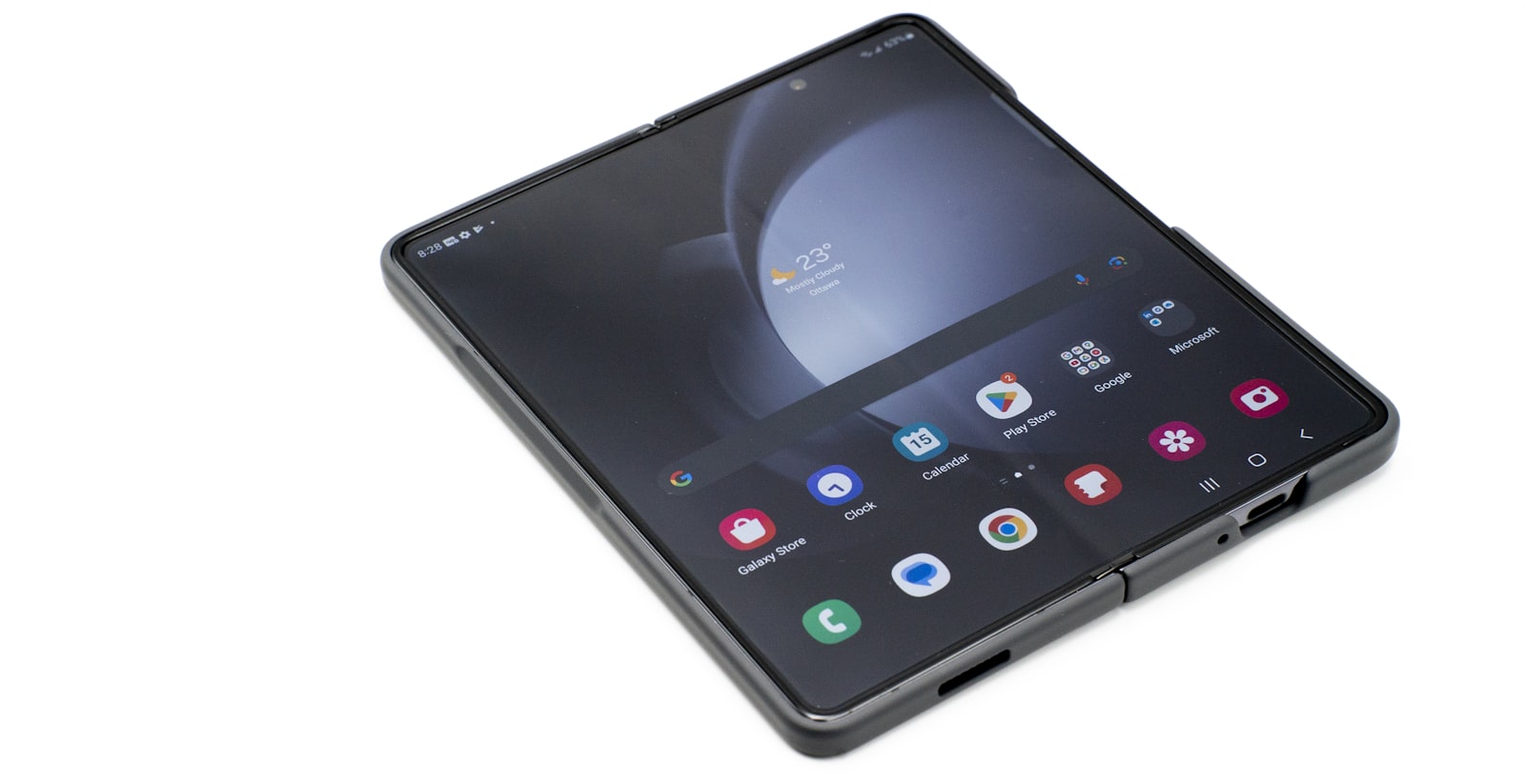
Illustrative foldable. Photo: Unsplash
Foldables spent years as flagship theater: thinner hinges, brighter inner panels, louder keynotes, celebrity hands unfolding rectangles on stage. Buyers noticed the crease, the case tax, the repair bill, and the fact that a good slab still did 90% of the job. Fatigue isn’t rejection. It’s the market waiting for the boring version that survives a backpack and doesn’t demand a personality transplant.
What improved — and what didn’t
Durability got better. Early foldables felt like prototypes you rented from the future. By 2025–2026, hinges are tighter, covers less fragile, and inner displays less likely to develop horror-story lines after a year. Software caught up too: split apps, continuity between cover and inner screens, and fewer “why did this UI forget I unfolded?” moments.
What didn’t vanish: thickness when closed, battery math that still loses to same-price slabs, and the crease you either learn to ignore or never stop seeing in video. Price remains the gate. Until a foldable under roughly $800 feels as forgettable as a midrange slab — predictable updates, hinge that doesn’t creak, battery that matches your weekend — most people will correctly keep waiting.
Who actually benefits
Book-style foldables shine for reading, note-taking, maps with a second pane, and light productivity when a laptop is overkill. Clamshell “flip” designs win for pocket size and one-handed cover-screen habits — if the outer display is good enough that you don’t resent opening the phone. If your day is messaging, camera, and podcasts, a foldable is a flex, not a need.
The honest buyer profile in 2026: people who already stretch phones into tablets — travelers who hate carrying both, field workers who want docs beside a camera feed, readers who want a bigger canvas without a separate device. Everyone else is shopping for status or curiosity, which is fine — just don’t confuse it with necessity.
Midrange foldables are the real test
Flagship foldables proved the form factor. Midrange ones will decide if it becomes normal. An under-$800 foldable has to clear three bars: software support that matches the slab lineup, a hinge that doesn’t feel like a compromise, and batteries that don’t punish you for choosing the cool shape. Spec sheets that win demos still lose weekends. Until those three land together, “foldable fatigue” will keep describing the majority reaction — not a failure of engineering, but a failure of everyday value.
The healthier question
Coverage should stop treating every thinner hinge as a mandate to upgrade. Ask what jobs get faster with two screens. Ask what breaks when you sit on it. Ask whether the cover display is a real phone or a widget farm. Once foldables stop being status objects and start being tools, the story shifts from “can they?” to “should you?” That second question is healthier for buyers — and for anyone covering the beat without a keynote script.