The iPhone 18 Pro is a camera upgrade wearing last year’s clothes
A real moving aperture and long-overdue manual controls make it the most fun Pro iPhone to shoot with. For everyone else, the headline is a $100 price bump.
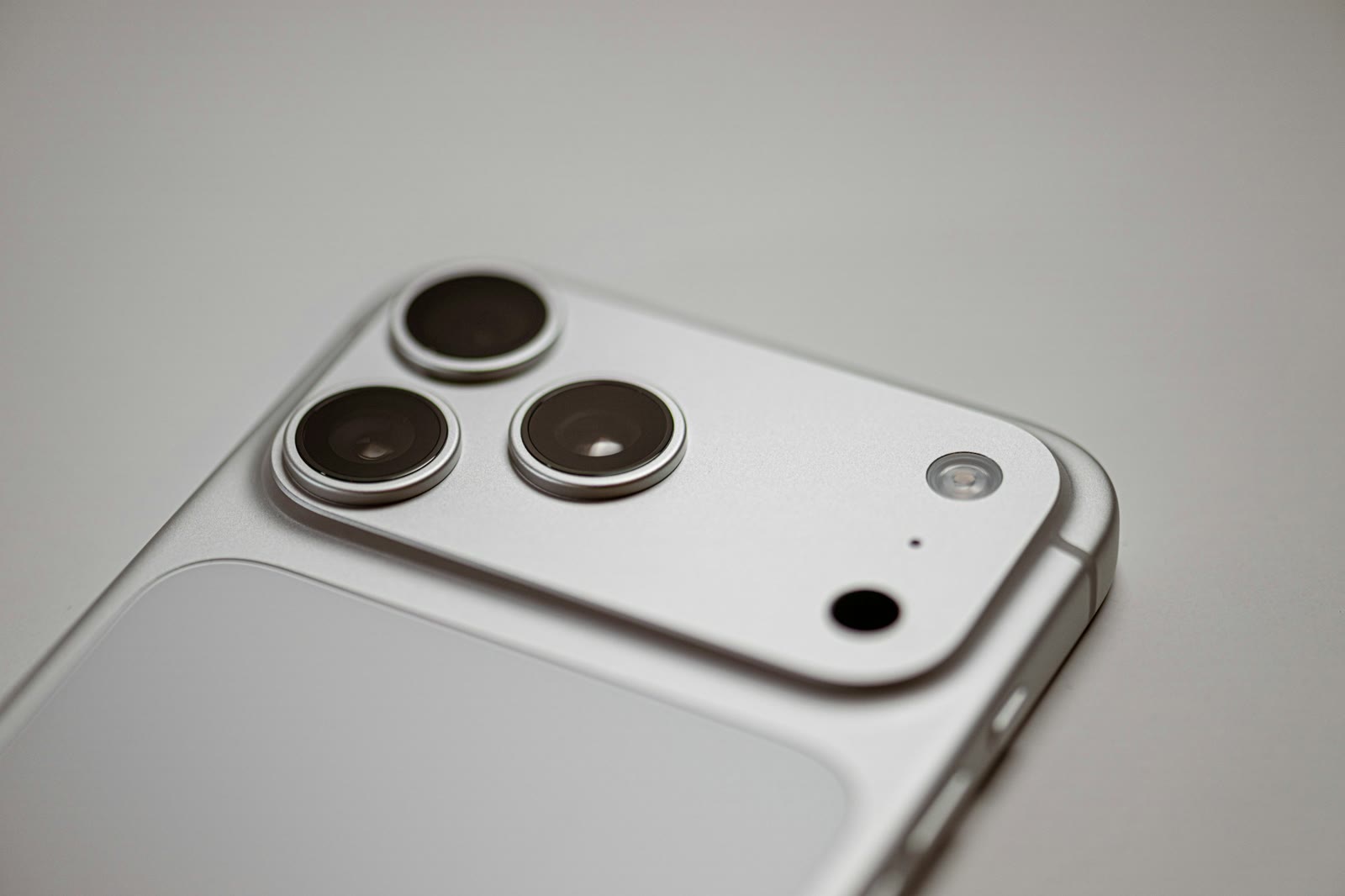
An earlier iPhone Pro camera module, for illustration. Photo: 85mm.ca / Unsplash
The iPhone 18 Pro has an odd job this year. It went on sale September 18 as Apple’s flagship, but the iPhone Duo got all the attention at Apple’s event. The Verge called the 18 Pro the second most interesting iPhone Apple is launching. It looks almost exactly like the 17 Pro. The Verge even says it fits the same cases. So the real story is mostly in one place: the main camera.
An aperture that actually moves
The 18 Pro’s main camera has a variable aperture, meaning physical blades open and close to control how much light reaches the sensor. You can pick from four settings: f/1.48, f/1.78, f/2.8, and f/4. Variable apertures aren’t new on phones. WIRED points out that Samsung and Huawei tried them years ago, and Huawei and Xiaomi still use them. This is a first for the iPhone, though.
Reviewers agree it works, but they disagree on how much it matters. The Verge found the image-quality gains “generally marginal.” A phone sensor is so small that even f/1.48 behaves roughly like f/5 on a full-frame camera, so most of the scene stays in focus anyway. The clearest benefits were a little more detail in low light, shorter Night mode captures, and sharper close-ups when the camera stops down to f/4. WIRED was more excited. Its reviewer stopped using Portrait mode because f/1.48 already gave enough real background blur. Both reviews agree that Auto mode stays near f/1.78 most of the time, so most people will never notice the feature at work.
The bigger change might be manual controls
The less flashy change could end up mattering more. Apple’s own Camera app finally lets you set shutter speed, white balance, focus, and aperture yourself. ISO still isn’t directly adjustable. The Verge also found something interesting: with a manual shutter speed, the camera takes one frame instead of blending several, which Apple confirmed. You lose some dynamic range, but you get the less-processed iPhone photo that people keep asking for. Add the new texture and grain controls in Photographic Styles, and Apple is clearly chasing the same “imperfect on purpose” look Google and Samsung are pushing.
There’s also Reference Image. It’s an opt-in mode that adds encrypted sensor data to a photo so someone else can later verify it hasn’t been edited. The Verge called it clunky for now, and the files are bigger: a 4MB shot became 8MB. It’s still one of the more serious attempts by a phone maker to prove a photo is real, which matters more every year.
The rest: better, not different
The A20 Pro chip and a vapor chamber WIRED says has three times the surface area both point toward better sustained performance and battery life. The 18 Pro is also the first Pro iPhone with Apple’s own C2 modem, though TechRadar reports the US Pro Max still uses a Qualcomm modem. Apple says the 18 Pro gets 36 hours of video playback, up from 33, and the Pro Max gets 45, up from 39. The Dynamic Island is smaller and can show three Live Activities at once. These are good upgrades, but they’re incremental.
Then there’s the price. The 18 Pro starts at $1,199 and the Pro Max at $1,299, both $100 more than last year. A 2TB 18 Pro costs $2,399, according to The Verge. WIRED also notes there’s no base iPhone 18 yet. Report WIRED says the base model is expected in spring 2027 alongside an iPhone 18e, but Apple hasn’t confirmed that.
Our take
If you like to shoot, this is the most enjoyable iPhone camera in years, and the manual controls alone may be worth it. If you have a 17 Pro, The Verge sees no compelling reason to switch, and WIRED says even 16 Pro and 15 Pro owners can hold on. If you’d buy the base iPhone, WIRED’s advice is to wait. We agree: the most interesting thing Apple sells this fall either folds or isn’t out yet.